
5 Summer Event Trends to Watch in 2026
5 Summer Event Trends to Watch in 2026
Summer 2026 is shaping up to be a landmark season for the events industry. With 85% of event professionals reporting optimism about the year ahead, the highest figure in five years, the sector is buzzing with new ideas, bigger budgets, and bolder formats.
Whether you're planning a corporate conference, a product launch, or a team gathering, these five trends will define the summer event landscape. And at SILO Brussels, we're already seeing them in action.
1. Festival-style corporate events
The era of the single-stage conference is fading. In 2026, corporate events are borrowing from the festival playbook: multiple zones, parallel programming, food experiences, and freedom to roam. Instead of sitting through eight hours of keynotes, attendees choose their own journey through curated spaces.
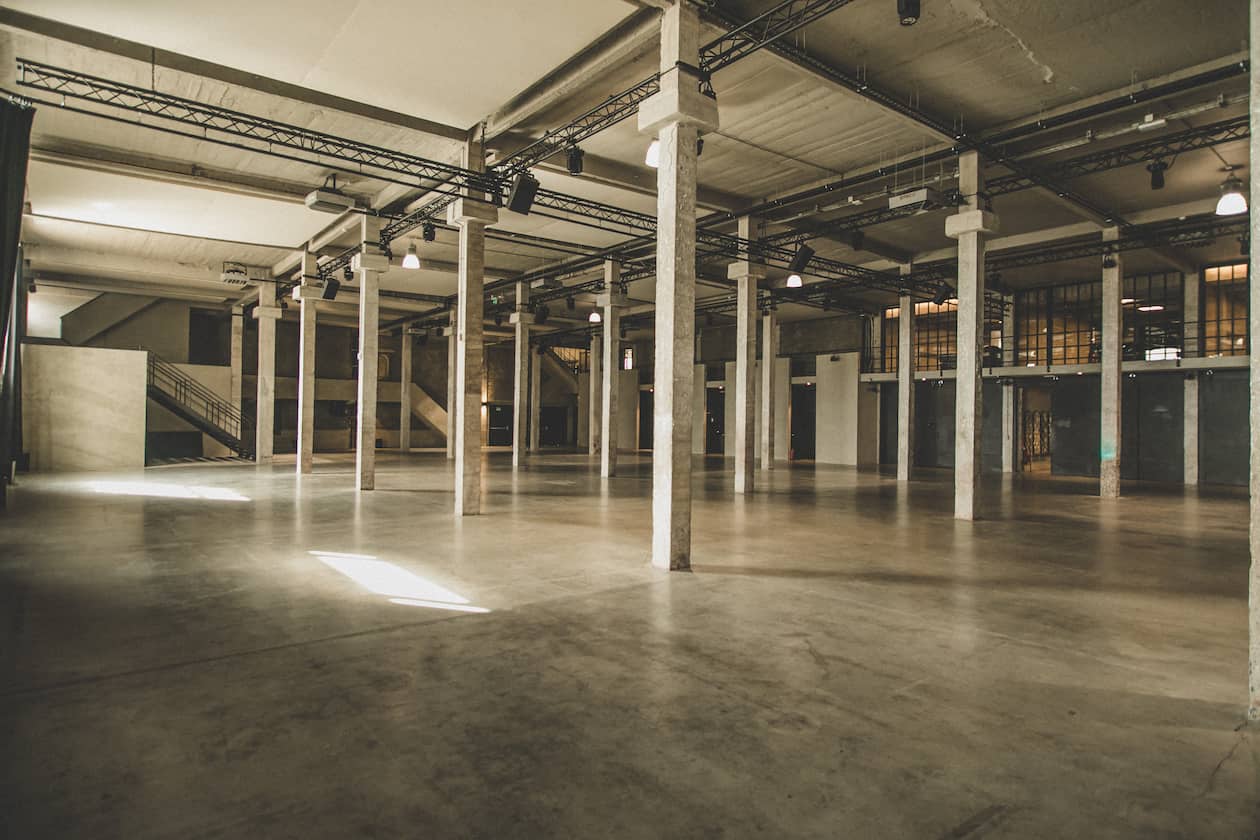
This format works especially well in venues with distinct areas. At SILO, event planners regularly split programming across the Meudon hall for plenary sessions, the four Workshop Areas for breakout sessions, the Panoramic Rooftop for networking, and the Navy's bar for casual exchanges. One venue, multiple experiences.
2. AI-powered event management
Artificial intelligence is no longer a novelty at events. In 2026, it's becoming an essential operational tool. Half of all event professionals now use AI throughout the entire event lifecycle, from planning and logistics to real-time attendee engagement.
Practical applications include AI-generated personalised agendas based on attendee profiles, real-time translation for multilingual audiences, chatbots handling logistics questions during the event, and post-event analytics that go far beyond simple headcounts. For a multilingual city like Brussels, AI-powered translation is particularly valuable for international conferences.
3. Sustainability as a baseline, not a bonus
Green practices have shifted from a nice-to-have to a minimum requirement. In 2026, sustainability is no longer a separate section in the event brief. It's woven into every decision: venue selection, catering, transport, waste management, and communication.
Attendees expect it, and corporate ESG commitments demand it. Key priorities include locally sourced catering with reduced meat options, zero single-use plastics, carbon offset programmes for travel, and venues with strong public transport access.
SILO Brussels sits directly on the Brussels canal, a 10-minute walk from Gare de l'Ouest and accessible by tram, metro, and bus. The venue's industrial heritage means high ceilings and natural ventilation, reducing air conditioning needs during summer events. Combined with partnerships with sustainable caterers like Artfood traiteur, it's a venue that aligns with 2026's green expectations.
4. Wellness-integrated event design
The post-pandemic focus on wellbeing has matured into a permanent feature of event design. In 2026, corporate planners build health-conscious elements directly into the programme rather than offering them as add-ons.
This means movement breaks between sessions, outdoor access for fresh air, quality catering that goes beyond the standard sandwich buffet, natural light in meeting spaces, and quiet zones for recharging.
SILO's Panoramic Rooftop provides an open-air escape during breaks, while the building's soaring ceilings and canal-side location create a sense of space that enclosed hotel ballrooms simply can't match. The Workshop Areas and SAS room work well as quiet retreat spaces during large events.
5. Hybrid events reach maturity
After years of experimentation, hybrid events have found their footing. The 2026 approach isn't about replicating the physical event online. It's about designing two complementary experiences: one for the room, one for the screen.
The most effective hybrid formats include a high-quality in-person experience with professional streaming for remote attendees, exclusive online content (backstage interviews, extended Q&A) that adds value beyond watching a livestream, interactive tools that connect both audiences (real-time polls, shared whiteboards, networking rooms), and on-demand replays that extend the event's lifespan.
For a deeper dive into the technical side, read our step-by-step guide to hybrid event setup. SILO's dedicated fibre connection, pre-wired Workshop Areas, and SILO Press Zone make it one of Brussels' most hybrid-ready venues.
What this means for your next summer event
The five trends share a common thread: attendees expect more. More choice, more technology, more sustainability, more wellbeing, and more connection between physical and digital. The good news? Venues that combine flexible spaces, strong infrastructure, and central locations make it easier to deliver on all five.
SILO Brussels brings together 3,500 m² of modular space, a canal-side rooftop, dedicated AV infrastructure, and a central Brussels location. Whether you're planning an intimate leadership retreat in Meudon or a 1,000-guest product launch across the entire venue, the building adapts to your format, not the other way around.