Rooftop Events in Brussels: Why They're Trending
Rooftop events in Brussels have moved from a summer-only novelty to a structural category in the city's event landscape. The shift is visible in the SILO Brussels diary: rooftop reservations are up across the calendar, not just in June and July, and an increasing share of corporate clients now ask specifically about open-air or partially-covered terraces in their initial RFP. This piece unpacks why rooftop events in Brussels are trending and what it means for organisers.
The skyline factor
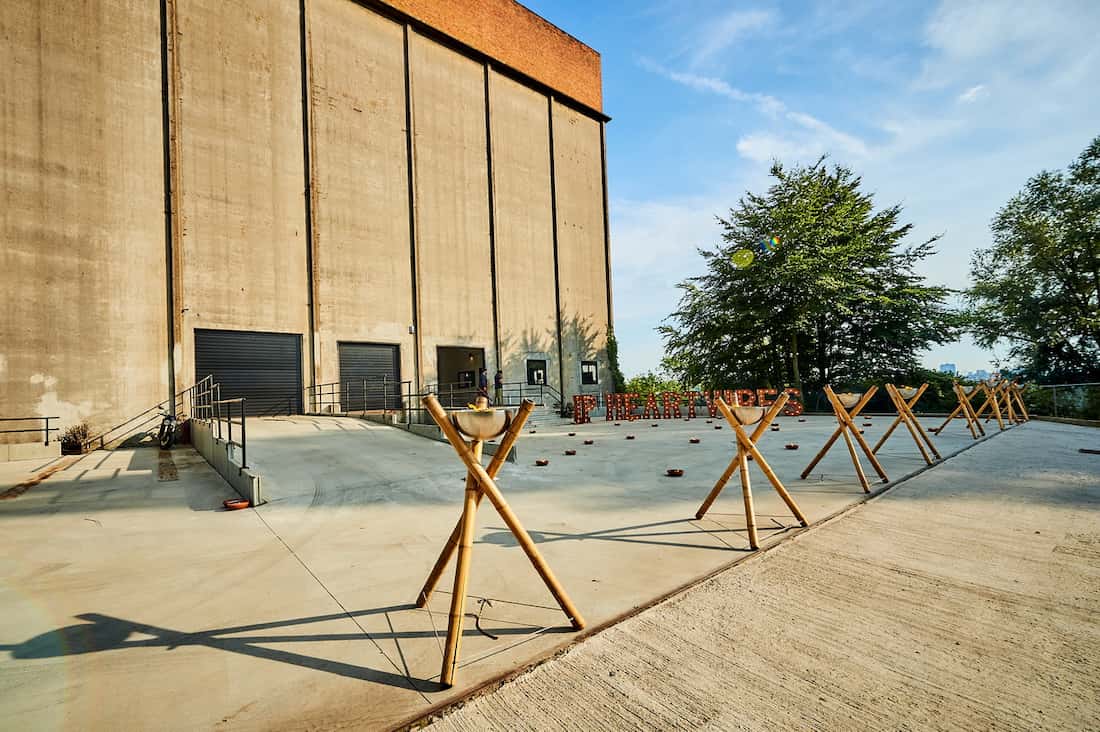
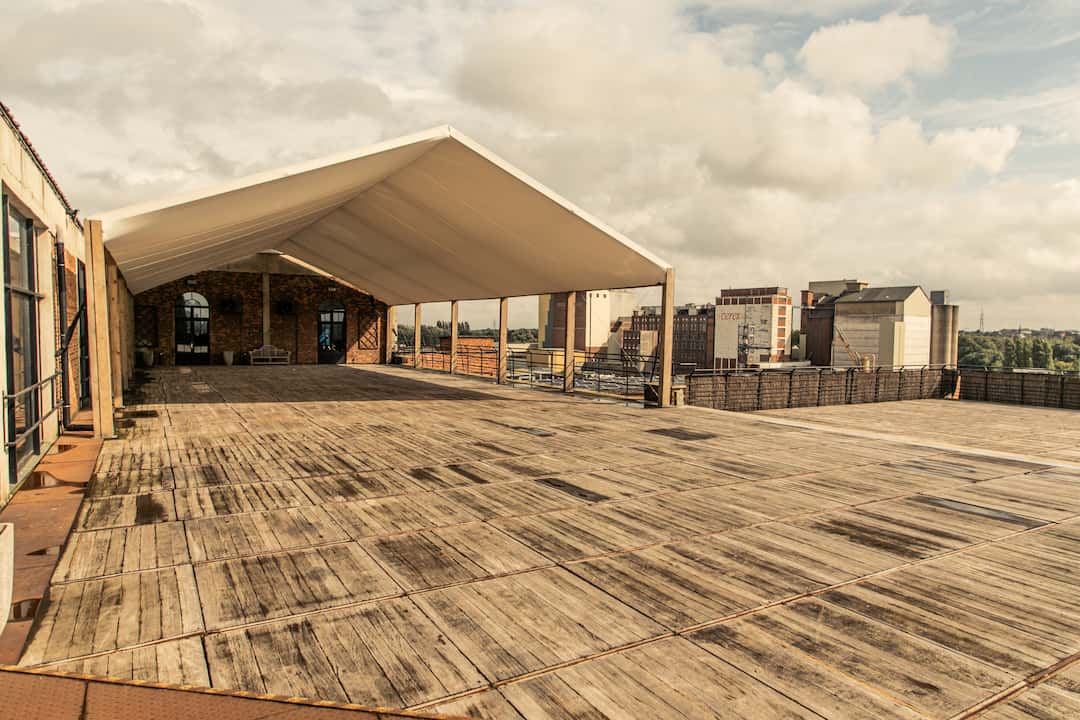
Brussels rooftops surface a side of the city that ground-level venues cannot show. From the SILO Brussels panoramic rooftop — 750 m², facing south-west, looking over the canal regeneration corridor and the western skyline — guests see a Brussels they don't see from a hotel ballroom or a convention centre. The visual identity of an event is now optimised for the photo grid that comes out the next day. A rooftop with skyline access shifts that grid from generic to ownable.
The canal regeneration corridor
The single biggest geographic shift in Brussels events over the last three years is the move from the Schuman district to the canal corridor. Tour & Taxis, the Up-Site towers, the Pont des Hospices, the new Kanal-Centre Pompidou and SILO Brussels are all anchored on this axis. Rooftops along the canal corridor see this regeneration in real time — and the events held on them benefit from a backdrop the rest of the city cannot match. Our Top 10 Brussels venues ranks the corridor's strongest options.
Year-round usability
Rooftop events used to be capped at the May–September window. Modern rooftop infrastructure has changed that. SILO Brussels' rooftop now hosts events from late April through to October with partial covers, transparent marquees, retractable shelters and infrared heaters extending the usable season. For 2026, the realistic rooftop window is six months, not three. Our partner Fluxology mobility piece covers the logistics for these extended-season formats.
Hybrid catering models
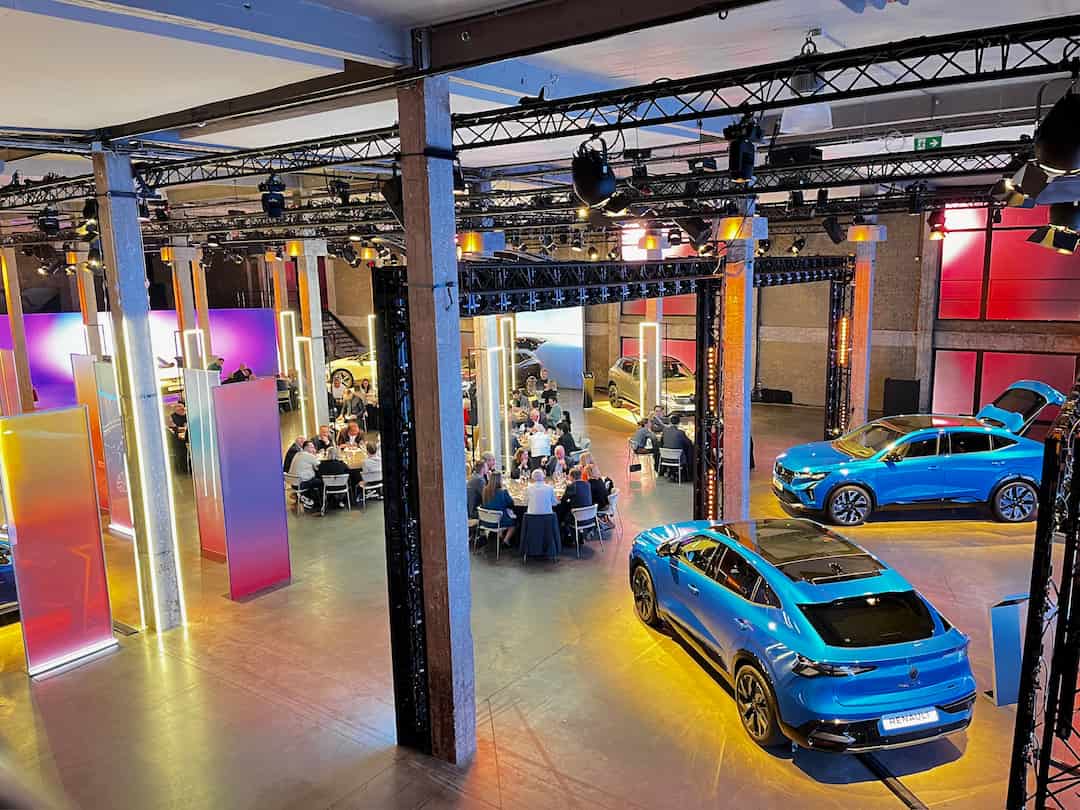
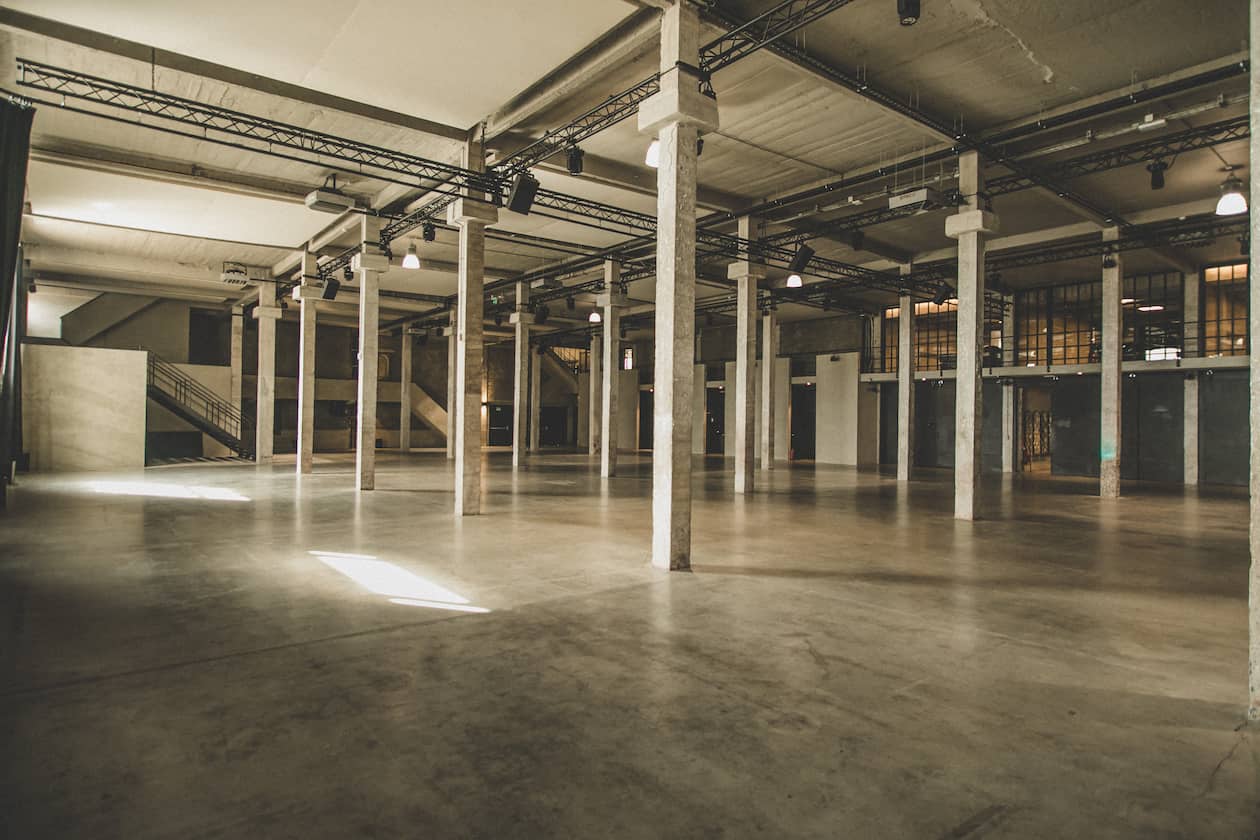
A second structural shift: rooftops are now used as one node in a multi-space evening rather than as the entire event. The pattern: arrival cocktail on the rooftop, plenary in Meudon, seated dinner downstairs, then back up to the rooftop for digestifs and a nightcap. This hybrid format requires a venue with multiple connected spaces — not just any rooftop. SILO's nine spaces under one roof support this kind of multi-room flow without transport between locations.
For caterers, hybrid models mean menu sequencing — light, photographable canapés on the rooftop, more substantial plated service inside, then dessert-and-cocktail back outside. Our partner network of B Corp and ShiftingPact-certified caterers is built for this kind of sequenced format.
The brand activation use case
Product launches, brand moments and PR-driven events have always favoured visually distinctive backdrops. The rooftop accelerates this: a single hero shot from the rooftop ends up in coverage, on social, in internal post-event recap decks and on the brand's own marketing materials for years afterward. The marginal cost of holding the activation on a rooftop versus indoors is low; the marginal value of the resulting visual asset is significant.
Corporate adoption
What used to be a wedding-and-private-party category is now a corporate events category. Internal kick-offs, sales recognition events, partner thank-yous and senior leadership offsites increasingly include a rooftop component. The rationale from procurement: same internal logistics, materially better photo and video assets, comparable budget. The signal value of "we hosted the kick-off on a Brussels rooftop" lands differently than "we held it in a meeting room at the airport hotel."
What to ask when sourcing a rooftop venue
Three questions cut through marketing copy fast. First: maximum capacity for both standing and seated formats — the gap between the two is usually larger than expected. Second: weather contingency — what is the indoor backup, can it be configured in under an hour, is the catering equipped to swing from al fresco to plated indoor? Third: orientation and views — south-west facing rooftops give you golden-hour light and skyline shots; north-facing rooftops are visually flatter.
SILO Brussels' rooftop in numbers
The SILO Brussels rooftop is 750 m², holds up to 1,000 cocktail or 750 seated, faces south-west, and is connected by lift directly to Meudon, Navy's and the SAS arrival hall. The rooftop has its own bar, kitchen pre-prep area, weatherproof power and infrastructure for live music. It pairs naturally with an indoor backup in Meudon, so a sudden weather change moves the format to a covered space without delaying the agenda. See the rooftop space page for capacity tables and a 360° virtual tour.
Plan a rooftop event
The rooftop calendar tightens fast. Q3 dates typically lock 6–9 months out; for 2026 we already have multiple Saturdays held. Request a rooftop quote or book a venue visit to see the rooftop in your event's actual configuration.