How to Choose the Perfect Venue for Your Corporate Event
Choosing the right corporate event venue is the single highest-leverage decision in event planning. The venue determines capacity, ambience, technical scope, perceived seriousness, guest comfort and — usually — about 30% of the total budget. Get it right and the rest of the planning falls into place; get it wrong and every subsequent decision compounds the mistake. Here is the six-criteria framework we use with clients evaluating SILO Brussels against shortlists.
1. Capacity — and configuration flexibility
Start with peak headcount, then think about how it shifts across the day. A 600-person plenary that becomes a 600-guest seated dinner needs both a big single-volume room and the staff to re-set it inside an hour. A 400-person conference with five 80-person breakouts needs at least six rooms with sound separation. The capacity number you give a venue is the maximum they need to handle, but the configuration journey is what determines whether the venue actually works for your event.
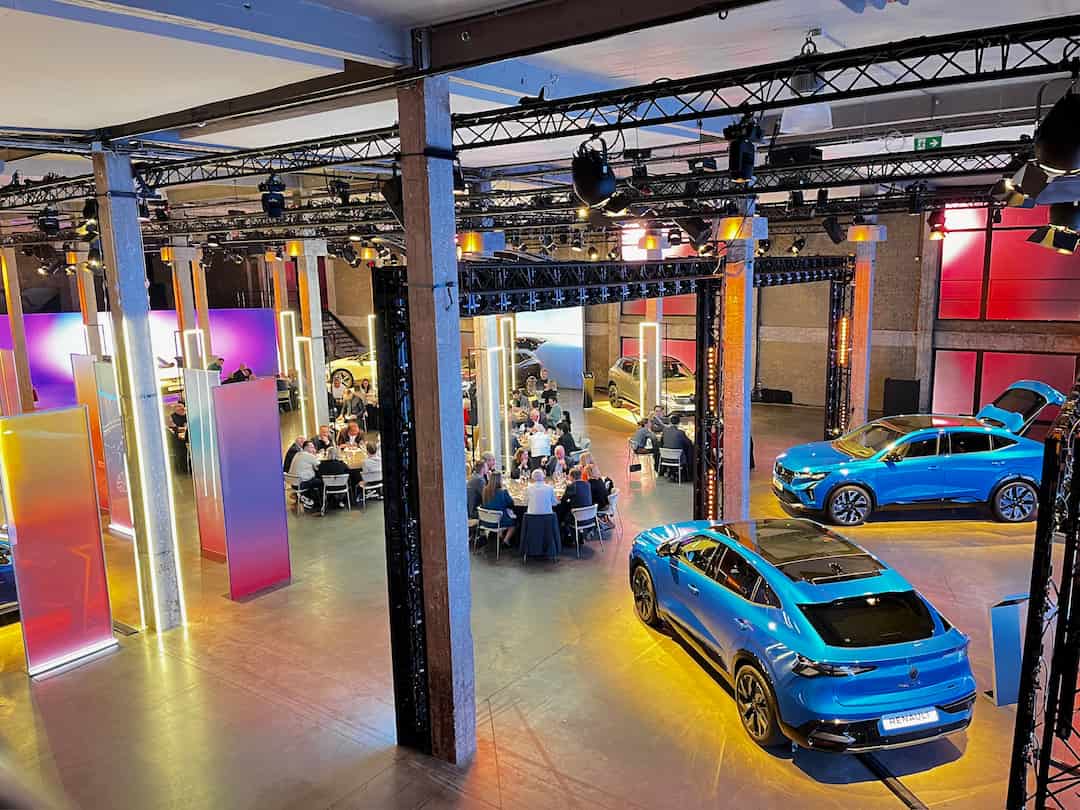
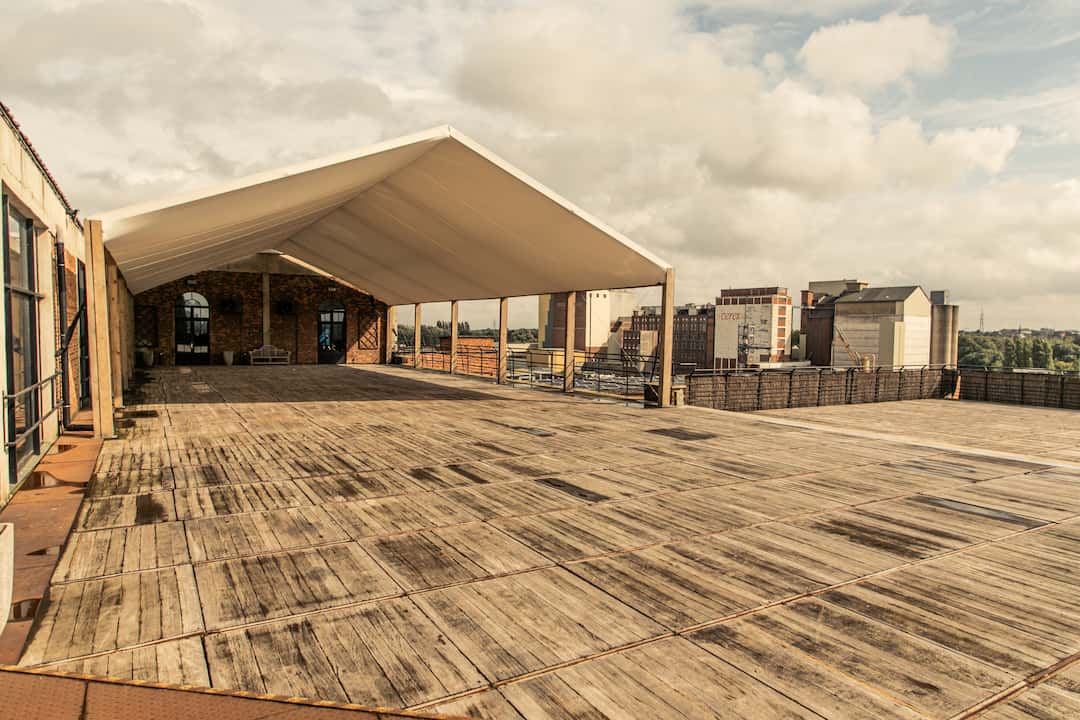
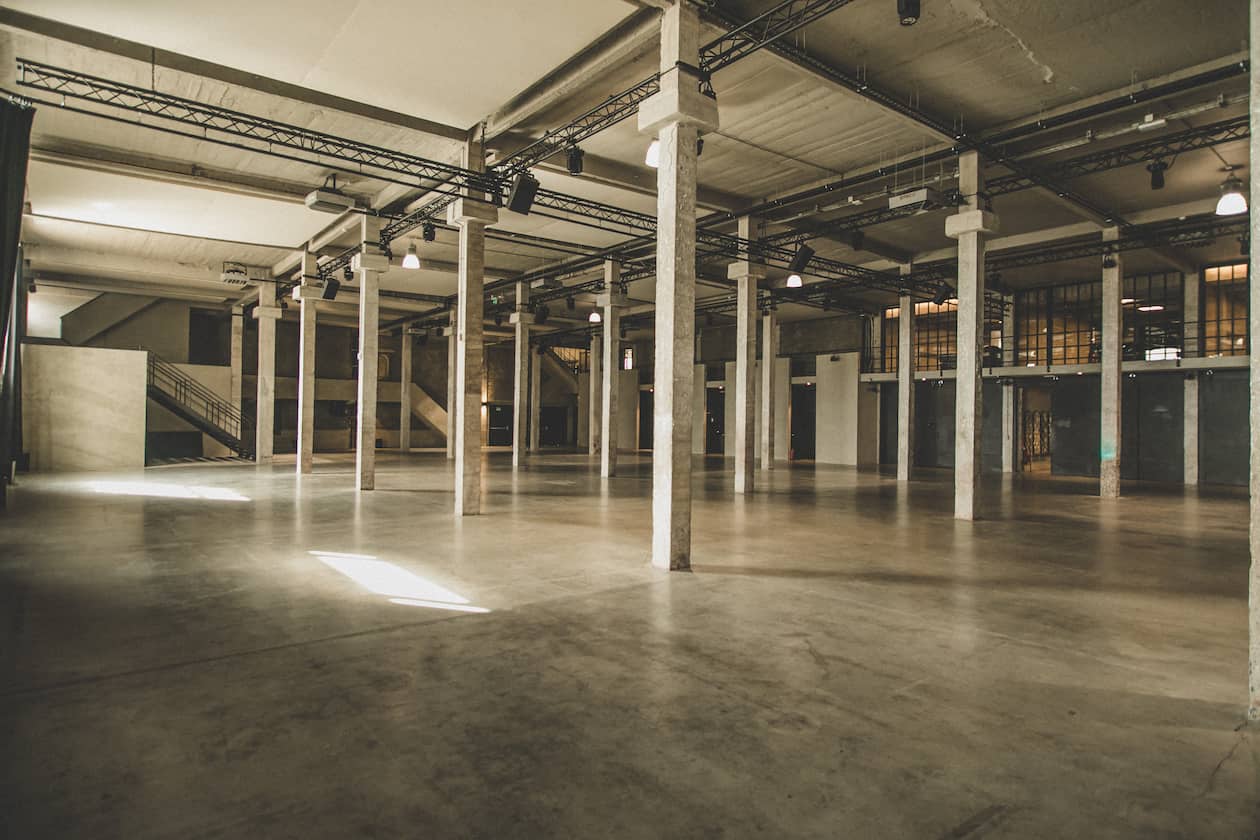
SILO Brussels' nine connected spaces are built for this kind of flow — the 1,321 m² Meudon hall handles plenaries up to 1,200 theatre, while parallel rooms cover breakouts and the rooftop hosts the closing reception.
2. Accessibility — for delegates and for guests with reduced mobility
Two questions: how easily can your delegates physically arrive, and how easily can guests with reduced mobility move through the venue? In Brussels, the first means proximity to Brussels-Midi (Eurostar, Thalys, ICE), Brussels Airport, and tram or metro lines. The second means asking specifically about Access-i certification (which audits adapted entrances, lifts, toilets and signage). A venue that fails on either criterion creates real friction for an audience that includes international travellers and senior guests.
3. Visual identity — does it carry the brand?
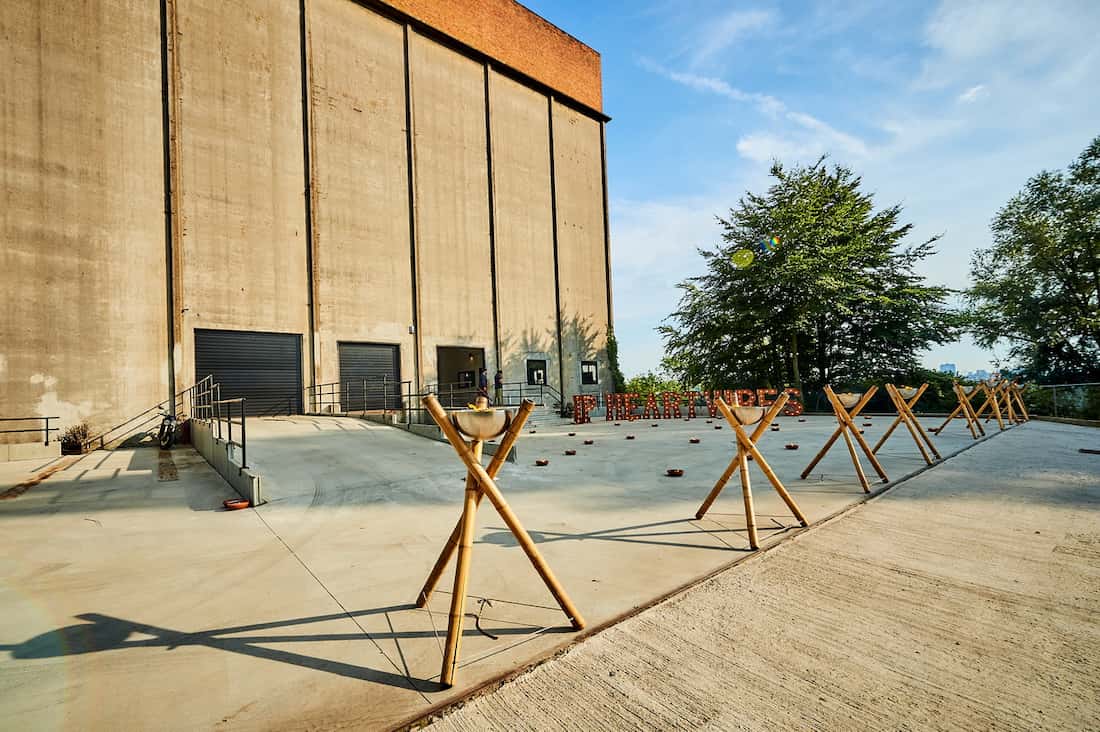
The venue is the backdrop for every photograph that comes out of your event. A generic conference centre says one thing; a listed industrial building says another. Brand activations, product launches and image-driven events earn outsized returns from venues with strong visual identity. For internal corporate trainings, identity matters less than function. Be honest about which event this is.
4. AV and technical infrastructure
Ask about: rigging points and weight load, three-phase power, dark-out conditions, internet bandwidth, on-site AV partners with experience in your format, simultaneous interpretation booths, hybrid streaming setups, broadcast-grade lighting, loading-dock access. The right answer is not "we can do that" — it's "here's the team and the equipment we deploy for events like yours, and here's a recent comparable case study."
5. Catering and partner network
A venue's curated partner list saves weeks of vendor selection and de-risks the highest-failure-rate part of any event. Look for partner caterers with quality certifications (B Corp, ShiftingPact, Gault&Millau Sustainability) rather than just generic options. Same for AV production, hostessing, decoration and event insurance. The longer the partner list and the deeper the certifications, the less time you'll spend chasing suppliers.
6. Sustainability — increasingly a procurement requirement
Many corporate procurement teams now require sustainability documentation. Ask the venue about: certified caterers, on-site water management, food redistribution partnerships, public transport accessibility, and the venue's own certifications. Our event sustainability guide covers the practical implementation steps.
Putting the framework together
Score each candidate venue on the six criteria from 1–5, weight them by what matters for your specific event (an awards gala weights identity heavily; a training day weights AV and capacity), and the right answer usually emerges within minutes. Use our event planning checklist to translate the chosen venue into a full operational brief.
Brussels-specific considerations
Three Brussels factors deserve special attention. First, the canal regeneration corridor (Tour & Taxis, SILO Brussels, Brussels by Water boat partners) has overtaken the Schuman district as the city's most active event zone — better access from Brussels-Midi, less congestion, more architectural variety. Second, the Access-i certification is rare among Brussels event venues and increasingly mentioned in international RFPs. Third, parking is a legitimate concern: SILO Brussels coordinates ~1,600 spaces across four nearby lots through partner Fluxology, which is uncommon in central Brussels.
Comparing your shortlist to SILO Brussels
Once your six-criteria scoring is in, the fastest validation is a site visit. SILO scores top quartile on capacity, accessibility (Access-i + canal location), identity (1930 brewery), AV (broadcast-ready Workshop Areas), partner network (B Corp + ShiftingPact caterers) and sustainability — but the only way to test it against your specific format is to walk it. Book a visit and our team will configure a hypothetical version of your event in the spaces during the tour.